


The Thrill of Anticipation
The psychology of casinos is intricately tied to the thrill of anticipation. When players engage in games of chance, the emotional highs and lows play a significant role in their experience. The excitement of potentially winning large sums of money creates a potent mix of hope and suspense. This anticipation can trigger the release of dopamine, a neurotransmitter associated with pleasure, leading players to chase that feeling of elation with every spin of the slot machine or roll of the dice. This phenomenon often draws users to platforms where they can learn more about the intricacies of gambling, including the no kyc crypto casino options that have emerged in the digital age.
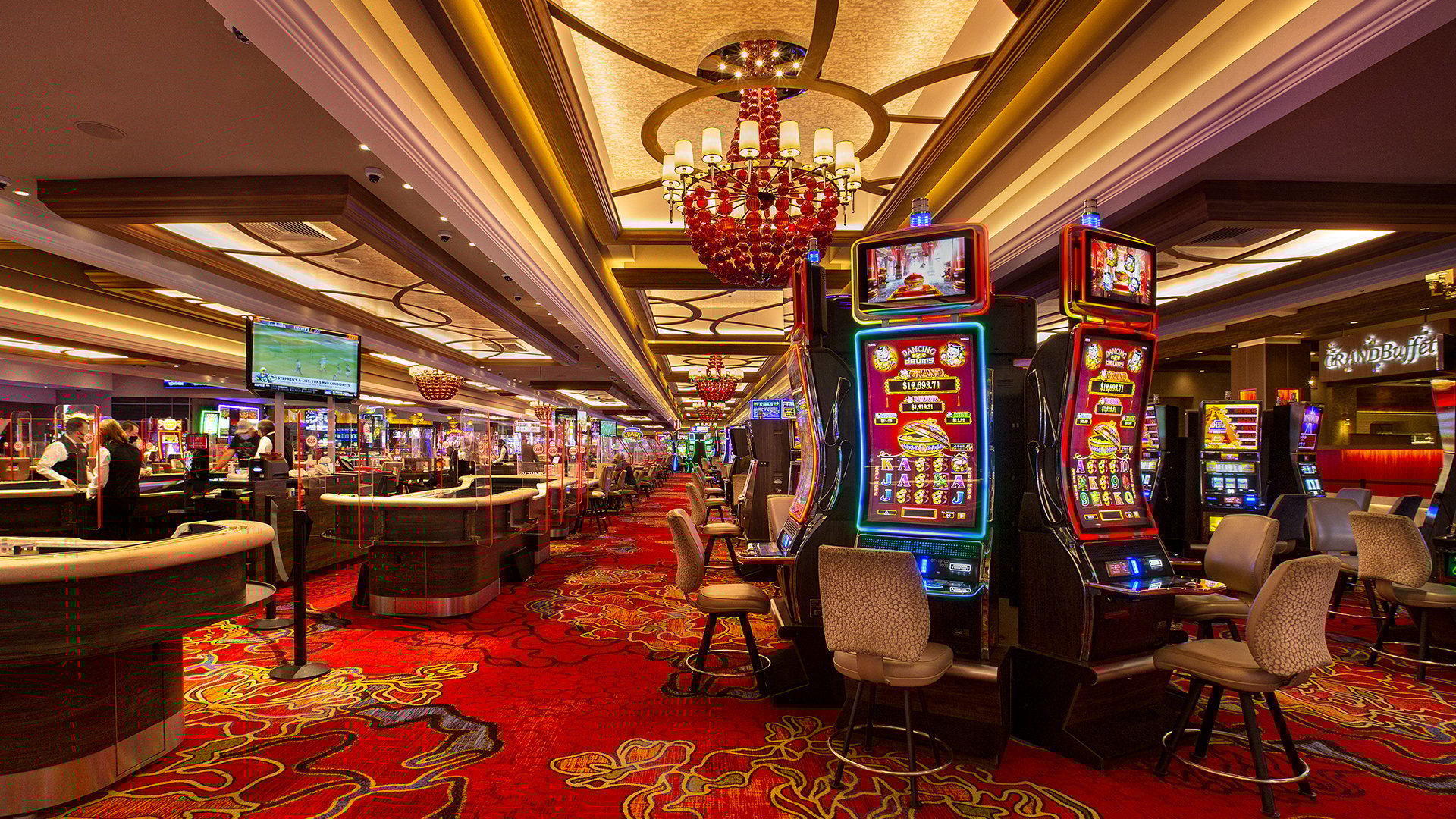
Moreover, the environment of a casino is meticulously designed to enhance this sensation. Bright lights, vibrant colors, and engaging sounds all contribute to an atmosphere that heightens excitement. Players often find themselves caught up in a cycle of risk and reward, where the uncertainty of the outcome drives their desire to play longer, thus increasing their likelihood of experiencing a win.
The Illusion of Control
Another psychological factor affecting players is the illusion of control. Many gamblers believe they have some influence over the outcomes of games, especially in games that involve strategy, like poker or blackjack. This perception can lead players to make decisions based on their own judgments rather than relying solely on chance. For instance, a player may think that a specific card shuffle or choice of playing style will lead them to victory, creating a sense of empowerment in an otherwise random environment.
However, this illusion can also be detrimental. Players may overestimate their abilities, leading to increased betting and potential losses. Understanding this psychological bias is crucial for both gamblers and casino operators, as it shapes how games are marketed and played, further adding to the complexities of casino psychology.
The Role of Gamification
Gamification is another essential aspect of casino psychology that enhances the winning experience. Many casinos integrate elements typical of video games into their offerings—such as levels, rewards, and interactive features—to keep players engaged. This strategy taps into the players’ desire for achievement and competition, encouraging them to continue playing in hopes of reaching the next level or unlocking a new reward.
Casinos often employ loyalty programs, offering players incentives for frequent play. These rewards can create a sense of community and belonging among players, further encouraging them to return. The gamification aspect transforms traditional gambling into an immersive experience that blurs the lines between gaming and gambling, making it particularly appealing to new generations of players.
Cognitive Biases at Play
Cognitive biases also significantly influence how players perceive their gambling experience. The availability heuristic, for example, causes individuals to focus on vivid stories of big winners, leading them to believe that winning is more common than it actually is. This skewed perception can encourage continued play, as players become fixated on their own potential to win big.
Additionally, the gambler’s fallacy can lead players to believe that past outcomes affect future results, resulting in poor decision-making. For instance, a player might feel that a specific slot machine is “due” for a jackpot after a long period of losses. Understanding these cognitive biases is critical for gamblers seeking to adopt a more rational approach to their play, as they can easily lead to significant financial losses.

Enhancing English Language Skills through Understanding Casino Psychology
Exploring the psychology behind winning at casinos also offers an engaging way to enhance English language skills. As individuals learn about the various psychological factors that influence gambling behavior, they can develop a richer vocabulary and better comprehension of complex concepts. Whether discussing anticipation, cognitive biases, or gamification, the terminology associated with casino psychology can deepen language understanding while providing insights into human behavior.
Moreover, websites dedicated to English language learning often provide resources that integrate real-world scenarios like gambling. By engaging with such content, learners can not only improve their language skills but also gain a fascinating glimpse into the psychological aspects that drive human actions, making the learning experience both educational and enjoyable.
